SDG 7 is to “ensure access to affordable, reliable, sustainable and modern energy for all.”
Did you know…
Approximately 800 million people do not have access to electricity or good access to clean cooking fuels or technology.
In 2017, 89% of the world’s population had access to electricity.
Approximately 3 billion people worldwide use inefficient and polluting cooking systems.

Renewable energy makes up only 17.5% (2016) of total final energy consumption. This needs to be much higher to meet goals set. Money to support the development of clean energy systems in developing countries was approximately $18.6 billion in 2016
Renewable energy progress: Australia has the world’s largest lithium-ion battery. With 50% of the energy used in South Australia comes from wind and solar power.
Efficiency progress: the Hungary government set up a programme called “Warmth of Homes” which has improved the energy efficiency of homes, installed renewable energy systems and modernised homes to reduce heat loss etc. The programme has reduced carbon dioxide emissions by 99,000 tons/year and made energy savings of 260 million kWh/year.
Targets
- “By 2030, ensure universal access to affordable, reliable and modern energy services.”
- “By 2030, increase substantially the share of renewable energy in the global energy mix.”
- “By 2030, double the global rate of improvement in energy efficiency.”
- “By 2030, enhance international cooperation to facilitate access to clean energy research… and promote investment in energy infrastructure and clean energy technology.”
- “By 2030, expand infrastructure and upgrade technology for supplying modern and sustainable energy services for all… in accordance with their respective programmes of support.”
How Chemistry Can Help
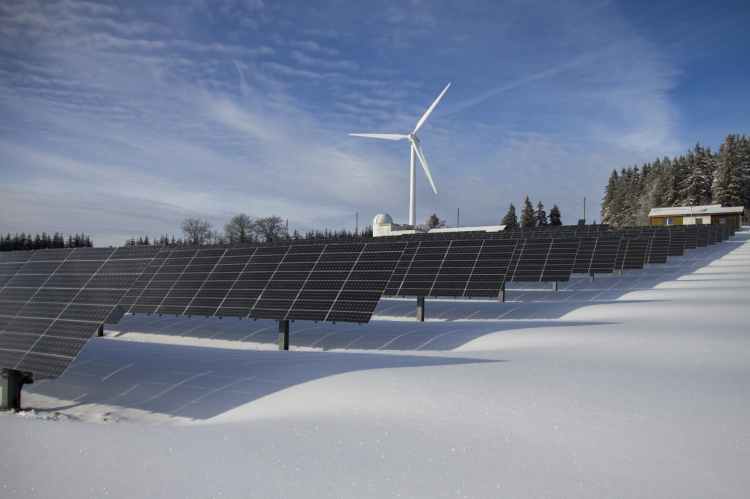
The chemical industry is supporting this goal by ensuring the energy used at their sites is sustainable and efficient. They are also creating products for mainstream consumers to use energy more efficiently. The industry has a big impact on the renewable energy sector. It is involved in the production and storage of renewable energy and infrastructure for renewable energy. They make parts for wind turbines and solar panels.
Solar panels are a huge part of providing renewable energy across the world. There are different types of solar panels available with one of the main types being dye-sensitized solar cells (DSSCs).
There are some issues associated with DSSCs such as efficiency and charging. New developments in hollow nanostructures (a material of nanoscale size which has space inside it) are helping to solve these issues. Using the hollow nanostructures means the efficiency of capturing light for energy is much greater because of the way they are built and the properties they have.
Chemistry can directly help the energy industry become more sustainable and renewable by researching and developing new materials (see SDG 8: Decent Work and Economic Growth).
In Senegal, a project was undertaken to replace inefficient light bulbs with LED lights. The replacements were to take place in people’s homes, public streets and government offices. This is a great project to help tackle climate change as LED lights use between 80-92% less electricity than incandescent lights. (see SDG 13: Climate Action).
 Chemistry and the UN Sustainable Development Goals