SDG 6 is to “ensure availability and sustainable management of water and sanitation for all.”
Did you know…
In 2015, 2.1 billion people did not have access to safe water at home. Of these people, 263 million take more than half an hour to collect this water. It’s estimated that 159 million people drink from streams, lakes or other surface water. This is a real issue as water can be contaminated and cause diseases such as cholera, and can result in hundreds of thousands of deaths every year (see SDG 3: Good Health and Wellbeing).
It is thought that about a third of countries have medium or above levels of water shortage. These countries are predominantly in North African and West, Central and South Asia which struggle to supply fresh water for parts of the year.
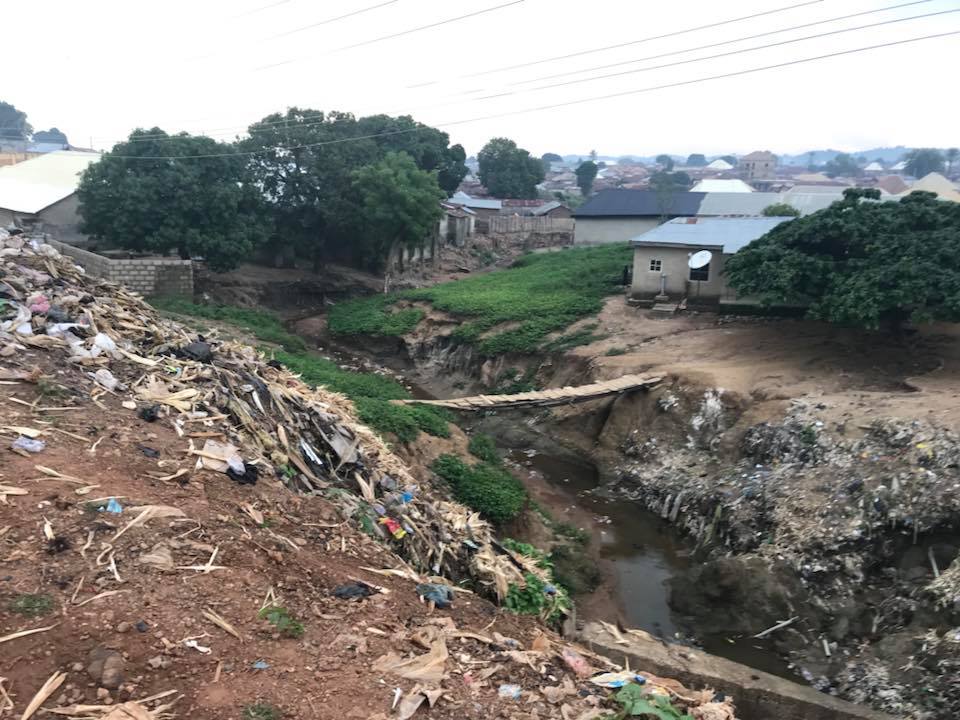
Sanitation relates to clean drinking water and disposal of sewage. Despite the progress made, billions of people still lack clean, safe water. There are 4.5 billion people who live without toilets that can safely remove their waste in their homes. That’s more than half of the world! Around 701 million people were still defecating publicly in 2017, which obviously causes a lot of bacteria and diseases introduced into water systems.
Globally, 60% of people across the world have access to basic hand washing facilities at home, this decreases to 38% in the least developed countries. This means that there are around 3 billion people who do not have soap and water at home!
Targets
- “By 2030, achieve universal and equitable access to safe and affordable drinking water for all.”
- “By 2030, improve water quality by reducing pollution, eliminating dumping, and minimising release of hazardous chemicals and materials halving the proportion of untreated wastewater and substantially increase recycling and reuse globally.”
- “By 2030, expand international cooperation and capacity building support to developing countries in water- and sanitation-related activities and programmes…”
How chemistry can help
Sometimes hazardous chemicals can end up in wastewater that can be let out into the environment. Chemistry is responsible for removing these contaminants. It can also help before the waste has been released, it can react with what would have been the waste and take out toxic products before they enter the water system.

Water treatment is also important to ensure it is safe to drink, again, this is chemistry’s responsibility. Analytical techniques are used to test what is present in the water and chemicals can be added to bind to the harmful contaminant to remove them.
Chemistry is responsible for the development for disinfectants to kill germs that can be in the water, the pipes that the water has to travel through may also be contaminated so they can be coated to kill any bacteria or infections that could have made its way into the water before it reaches the tap.
The simplest way of sanitising an area with regards to sewage would be educating people on the harmful effects of defecating in or near water supplies. However this is not always possible (see SDG 4: Quality Education).
 Chemistry and the UN Sustainable Development Goals