SDG 5 is to “achieve gender equality and empower all women and girls.”
Did you know…
There has been difficulty achieving the goal because of: legal discrimination against women, social attitudes not changing, sexual and reproductive issues not being resolved and low levels of political representation/participation of women.
Child marriage is slowly reducing but is reducing at a slower rate in sub-Saharan Africa.
Approximately 200 million girls and women are subjected to female genital mutilation (FGM) (based on 30 countries). However, this statistics is just from countries that can provide data and the real number could be much higher.
When a country has a law for more equal representation of women in politics, the actual proportion of women represented is much higher than in countries with no laws for this.

Image courtesy of NASA
In 2018, 39% of the world’s employment was women. In 2015 it was 26%. Women do three times as much unpaid domestic and care work as men.
In many countries there are gaps in the law on: violence against women, employment for women and economic benefits for women.
Targets
- “End all forms of discrimination against all women and girls everywhere.”
- “Eliminate all forms of violence against all women… and other types of exploitation.”
- “Eliminate all harmful practices, such as child, early and forced marriage and female genital mutilation.”
- “Ensure women’s full and effective participation and equal opportunities for leadership at all levels of decision-making in political, economic and public life.”
- “Adopt and strengthen sound policies and enforceable legislation for the promotion of gender equality and the empowerment of all women and girls at all levels.”
How Chemistry Can Help
The chemical industry is supporting women in achieving full gender equality by creating and delivering programmes and management techniques to guarantee equality.
Furthermore, within the chemical industry, products are being made specifically to support and improve women’s health. For example, food fortification, which involves adding nutrients to food products. Many women do not get enough iron, folate, vitamin B-12 and many more.
In Tanzanian women there is a vitamin and mineral deficiency issue. These deficiencies, including iron and vitamin A, have a serious impact on maternal health and cognitive development in women of a reproductive age (18-49). It also negatively impacts Tanzania’s economy. Due to these issues, Tanzania made it compulsory to fortify wheat, maize flour, salt and cooking oil (see SDG 2: Zero Hunger).
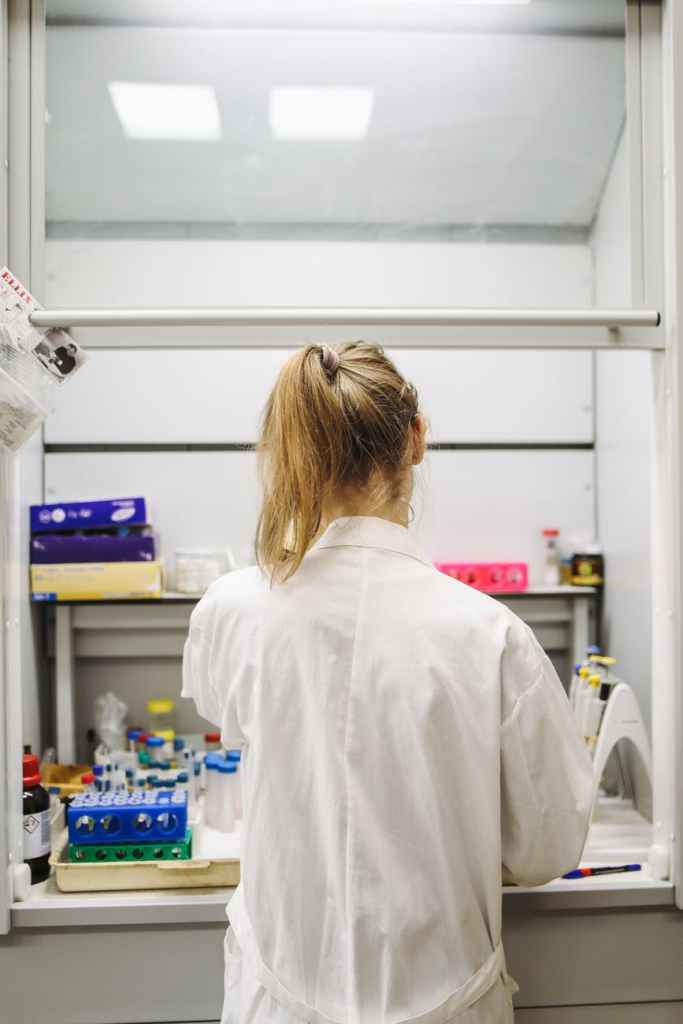
A company called Schlumberger, which provides products and services for the oil and gas industry, have set up a foundation to promote science and technology education. Within the Schlumberger Foundation, a programme called Faculty for the Future was created. This programme is about getting more women into science, technology, engineering and maths (STEM) careers. Almost 180 fellowships have been granted by the foundation for women from different developing countries.
 Chemistry and the UN Sustainable Development Goals