SDG 2 is to “End hunger, achieve food security and improved nutrition and promote sustainable agriculture.”
Did you know…
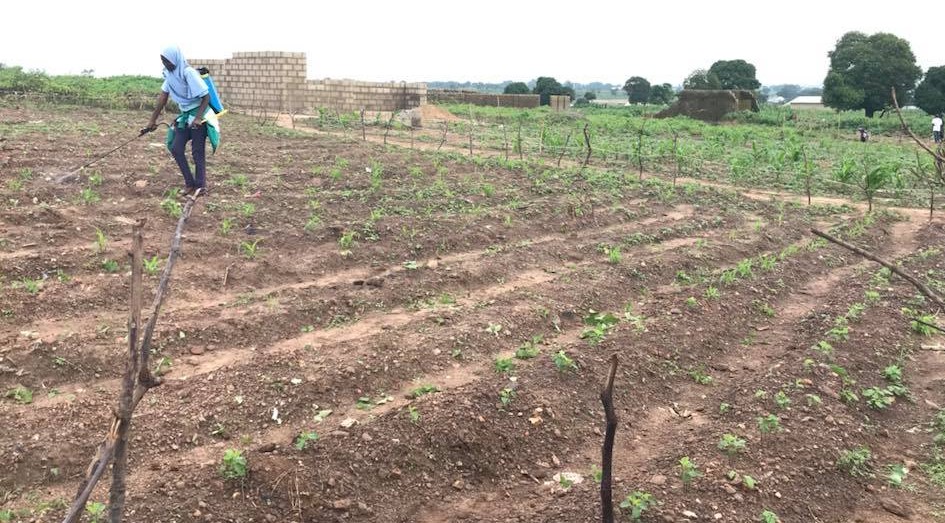
Millions of people around the world are affected by hunger and malnourishment, and this number is increasing due to the rising population. In 2017, approximately 1 in 9 people were undernourished around the world – 821 million in total.
Targets
- “By 2030, ensure sustainable food production systems and implement resilient agricultural practices that increase productivity and production, that help maintain ecosystems, that strengthen capacity for adaptation to climate change, extreme weather, drought, flooding, and other disasters and that progressively improve land and soil quality.”
- “By 2020, maintain the genetic diversity of seeds, cultivated plants, and farmed and domesticated animals and their related wild species, including through soundly managed and diversified seed and plant banks… and promote access to fair and equitable sharing of benefits arising from utilisation of genetic resources and associated traditional knowledge, as internationally agreed.”
How chemistry can help

These targets can be met with the assistance of chemistry. Fertilisers, herbicides, and insecticides can be an essential tool in a successful farm. So access to them, and training in their correct use is important. The chemistry of these products can influence their cost. This may result in small scale farmers in less developed countries being restricted in their ability to purchase these products. Chemistry can play a role in creating compounds that are efficient in carrying out the desired effect whilst being cost effective. When farmers can afford to buy them they can create a higher crop yield with better quality and therefore can make more money. If farmers can gain a higher income, they can create a better life for themselves and their family, for example they may earn enough to send their children to school (see SDG 4: Quality Education).
Genetic modification of seeds or animals can make crops resilient or make them grow in harsher conditions. In order to modify these seeds or animals, biochemical interactions within the cells must be known and understood so that they can be altered. Many food companies have taken to fortifying their products with additional nutrients. This is particularly helpful for people who cannot otherwise get all the sufficient nutrients (see SDG 5: Gender Equality).
 Chemistry and the UN Sustainable Development Goals