SDG 4 is to “ensure inclusive and equitable quality education and promote lifelong learning opportunities for all.”
Did you know…
Education is arguably the most important tool in societies. A good education allows people to get involved in social and political matters and understand the issues of today’s world. Despite its importance, not everyone has access to to school. Such as the 262 million children and young people between the ages of 6 and 17 who did not have access to school in 2017. More than half of children and adolescents are not meeting the minimum proficiency standards in reading and mathematics. The capacity of teachers, the learning environment and the quality of education have not kept up with the needs of the population. There is a big need to improve this situation especially for women, girls and marginalised people in vulnerable situations.
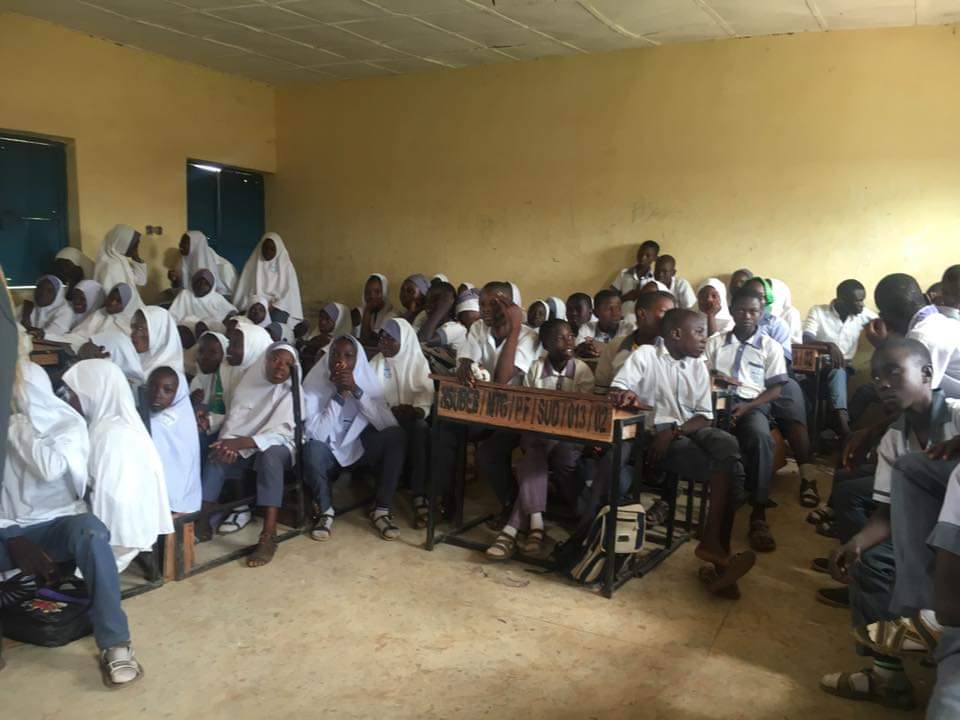
Where there is no quality education or no education at all, there is a tendency towards poverty, racism, sexism, war, financial problems, less development, problems in the health care system, etc.
Targets
- “By 2030, ensure that all girls and boys complete free, equitable and quality primary and secondary education leading to relevant and effective learning outcomes.”

- “By 2030, ensure equal access for all women and men to affordable and quality technical, vocational and tertiary education, including university.”
- “By 2030, substantially increase the number of youth and adults who have relevant skills, including technical and vocational skills, for employment, decent jobs and entrepreneurship.”
- “By 2020, substantially expand globally the number of scholarships available to developing countries for enrolment in higher education, including vocational training and information and communications technology, technical, engineering and scientific programmes, in developed countries and other developing countries.”
How Chemistry Can Help
Chemical companies can contribute to quality education by promoting science education through charitable investments such as providing books, teaching equipment or scholarships. Also, they can undertake initiatives in specific regions or populations, such as technical programs and apprenticeships, which will help to improve professional skills and employment prospects for local people.
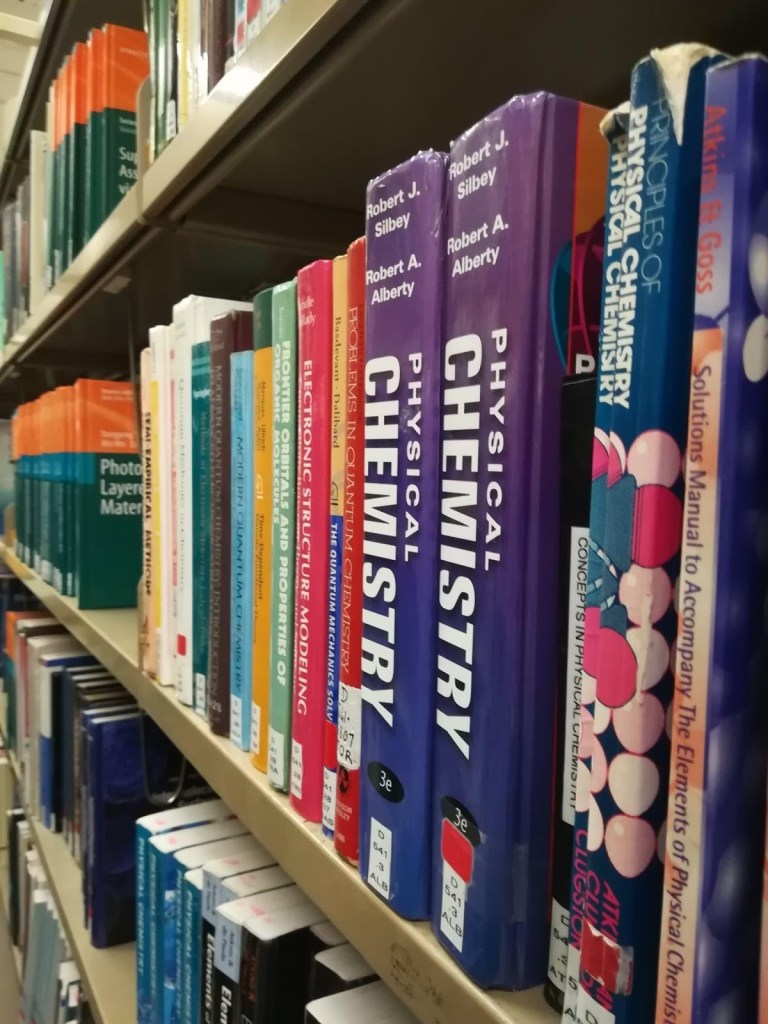
Moreover, chemistry in schools can help children to understand the global issues that we are facing from a scientific aspect and thus it can inspire them to take actions and even become chemists or scientists and try to find solutions to the big problems we are facing as humanity (see SDG 1, SDG 2, SDG 3, SDG 5, SDG 6, SDG 7, SDG 8, SDG 9, SDG 10, SDG 11, SDG 12, SDG 13, SDG 14, SDG 15, SDG 16).
Education is power, and power is change. Quality Education is so important and it can be linked to ALL the SDGs!
 Chemistry and the UN Sustainable Development Goals