SDG 3 is to “Ensure healthy lives and promote well-being for all at all ages.”
Did you know…
Only 59% of births in areas in Africa below the Sahara were attended by someone trained on giving birth. Globally, there has been an increase in the number of people who have received vaccinations. However, there are still millions without access to even basic healthcare. There has also been more development with the prevention, testing and treatment of the HIV virus. This has meant there has been a decline in cases by 37%.
There is an increased risk of cardiovascular and respiratory diseases as a result of air pollution, causing 7 million deaths globally in 2016. This is particularly of concern in areas that still cook using fuels that are pollutants, such as cooking on a fire.
Unclean drinking water affects the health of millions, this is heavily linked with SDG 6: Clean Water and Sanitation. Diarrhoea, infections from soil-transmitted parasitic worms and protein-energy malnutrition has caused 870,000 deaths per year.
Targets
- “By 2030, end the epidemics of AIDs, tuberculosis, malaria, and neglected tropical diseases and combat hepatitis, waterborne diseases and other communicable diseases.”
- “By 2030, substantially reduce the number of deaths from hazardous chemicals and air, water and soil pollution and contamination.”
- “Support the research and development of vaccines and medicines for the communicable and non-communicable diseases that primarily affect developing countries, provide access to affordable essential medicines and vaccines… to protect public health, and, in particular, provide access to medicines for all.”
How chemistry can help

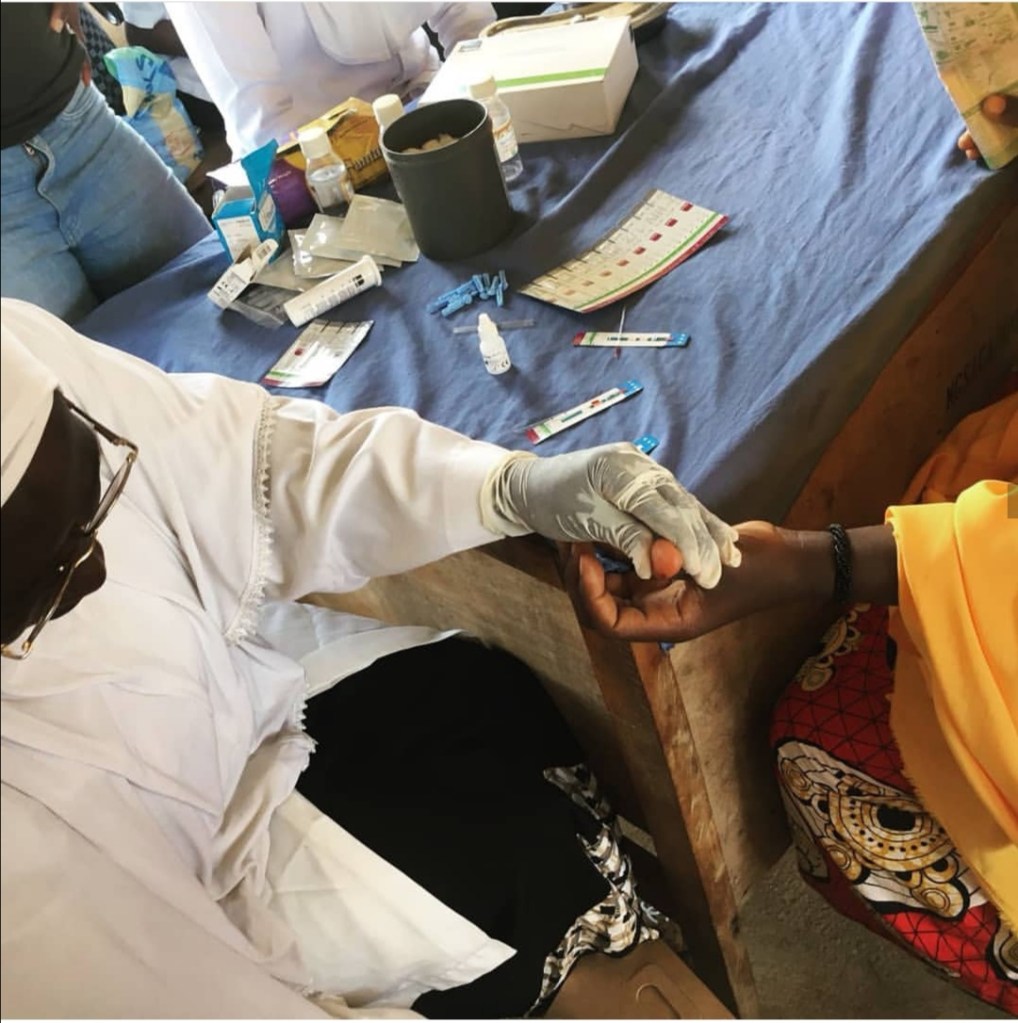
Chemistry plays an important role in drug development. Also making the drug effective to the desired use as well as cost effective so that it can be accessed by even the poorest people can be somewhat controlled by chemistry. Even the testing for some infections or viruses can be linked back to chemistry. For example, the strips that can be used to test for HIV use a chromatographic technique to test for positive or negative results.
Having access to education (see SDG 4: Quality Education), in particular science, can prepare people for a future career in healthcare. This could increase the number of birth attendants who are knowledgeable on the treatment of both the mother and baby. It may mean that access to healthcare can be made easier if there are an increased number of people trained in treatment of some illnesses.
Chemical waste can be released into the environment through air and water, from which it can end up in peoples food or drinking water. This is obviously of serious concern as it can affect health. It is therefore the responsibility for large industrial plants, particularly chemical plants, to develop ways to dispose of their waste responsibly and also to minimise their impact by reducing, reusing or recycling materials.
 Chemistry and the UN Sustainable Development Goals