We hope that you enjoyed our blogs! Thank you for taking this trip with us exploring how chemistry and the chemical sector can contribute in achieving the UN Sustainable Development Goals.
Chemistry is directly or indirectly everywhere in our everyday life. So trying to understand how it can help to resolve issues such as climate change, dirty water and bad sanitation, hunger, unsustainable cities, etc. is important as the environment and all the ecosystems that are linked to it are under threat.
We can all contribute to sustainability and raise awareness about the above topics discussed. It is necessary that ALL of us do something to save and protect the environment and the future humanity.
SDG 15 is to “protect, restore and promote sustainable use of terrestrial ecosystems, sustainably manage forests, combat desertification, and halt and reverse land degradation and halt biodiversity loss.”
Did you know…
Approximately 2.6 billion people make a living through agriculture and around 1.6 billion people make a living through forest engagement. It is estimated 60-80% of Earth’s freshwater comes from mountain regions. Forests are home to 80% of all terrestrial species of animals, plants and insects. Carbon dioxide levels could decrease by up to 33% by 2030 if nature-based climate solutions were applied.
Land degradation is a global issue. It is important to protect land as there is a large biodiversity in the ecosystems relying on it including humans with 80% of our diet based on plants. Forests provide habitats for millions of different species. They are also an important source for clean air and water and for tackling climate change. Over 30% of Earth’s surface is covered by forests.
As human population increases, every year 13 million hectares of forests are lost and, because of the persistent degradation of drylands, 3.6 billion hectares have been desertified. Many key compounds in drugs can be naturally found in the forested areas and there may be many more yet to be discovered. However, if the destruction continues, this may mean that the sources of existing medicines could become scarce and could prevent the research into new, better drugs.
There is a need for immediate action so the natural habitat and biodiversity are not lost.
Targets
“By 2020, ensure the conservation, restoration and sustainable use of terrestrial and inland freshwater ecosystems and their services, in particular forests, wetlands, mountains and drylands, in line with obligations under international agreements.”
“By 2020, promote the implementation of sustainable management of all types of forests, halt deforestation, restore degraded forests…”
“Promote fair and equitable sharing of the benefits arising from the utilization of genetic resources and promote appropriate access to such resources, as internationally agreed.”
“By 2020, integrate ecosystem and biodiversity values into national and local planning, development processes, poverty reduction strategies and accounts.”
How Chemistry Can Help
Chemistry can play a major role in protecting life on land. That is because all the ecosystems are affected by environmental chemistry and human activity.
The chemical sector can contribute to meet this goal by developing environmentally friendly processes that think of the environment first. This would significantly help life on land and protect the species that are already endangered. Moreover, chemistry can contribute by managing its environmental impacts and dependencies by limiting negative impacts on the environment. Improving products through better operational management and through philanthropic efforts can protect critical ecosystems. This can be achieved by improving product formulations and design products further downstream.
Chemistry can also contribute through new chemical technologies that enable us to use less trees for more production. Moreover, by using chemicals, the recycling process and the paper production require less wood pulp and thus, we can protect forests and conserve valuable natural resources.
Chemical fertilizers help to restore soil nutrients that have been lost over years of cultivation. So, those chemicals can help to reverse land and natural habitat degradation (see SDG 2: Zero Hunger).
The acidity of the oceans has increased over the past thirty years. The oceans absorb and store carbon dioxide from the atmosphere which changes the chemical composition of the water. By the end of this century it is thought that the acidity of the oceans could increase even more.
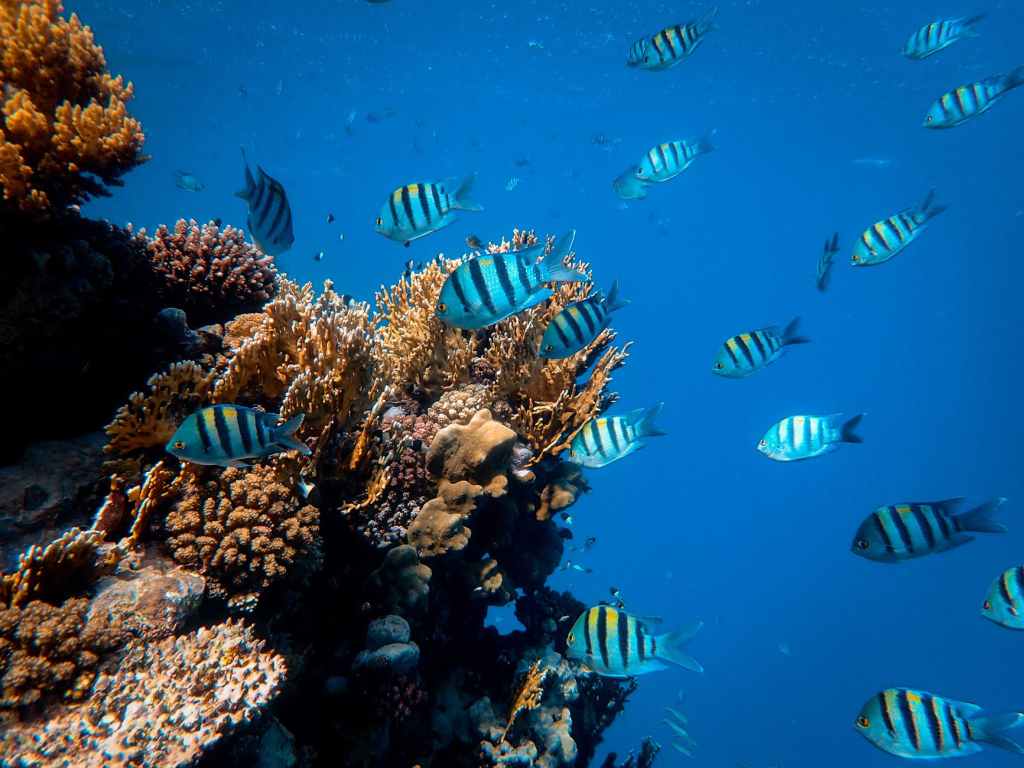
Having more acidic oceans can be devastating for all marine life, for example, the coral bleaching (coral stress and possible death) in the Great Barrier Reef in Australia.
Targets
“By 2025, prevent and significantly reduce marine pollution of all kinds, in particular from land-based activities, including marine debris and nutrient pollution.”
“By 2020, sustainably manage and protect marine and coastal ecosystems to avoid significant adverse impacts… and take action for their restoration in order to achieve healthy and productive oceans.”
“Minimize and address the impacts of ocean acidification, including through enhanced scientific cooperation at all levels.”
How chemistry can help
Chemistry is largely involved in the production of plastics and chemical companies are working with other distributors to prevent and reduce how much plastic waste ends up in the oceans (see SDG 12: Responsible Consumption and Production). Efforts are being made to clean up the plastics littering the oceans and studies can be done to see if plastics can be made more reusable or easier to degrade.
Studying chemistry also helps to have a better understanding of the process of ocean acidification and how those effects can possibly be reduced (see SDG 4: Quality Education). The oceans becoming more acidic would have serious consequences on marine life so it is an important issue.
We prepared a questionnaire to learn about people’s knowledge and experience of issues relating to the United Nations Sustainable Development Goals. The survey – which contained ten questions and was completed anonymously – was circulated round friends, social media contacts, and staff and research students of the Department of Pure and Applied Chemistry, University of Strathclyde.
We received 85 responses from a range of ages and with people from different locations. Roughly 52% of the responses were from females and 46% from males.
The results are shown below…
What town/city and country are you from?
There were a lot of different answers to this question, many from different places in the United Kingdom, particularly Scotland. There were also responses from Nigeria, India, Hong Kong, China and some European countries such as Switzerland and Finland.
Country
Number of responses
Country
Number of responses
Scotland
44
The Netherlands
1
England
10
Sweden
1
Wales
3
Finland
1
Northern Ireland
1
Romania
1
Ireland
1
Pakistan
1
Nigeria
4
Iran
1
China
3
Singapore
1
India
2
Malaysia
1
Greece
2
Indonesia
1
Spain
1
Saudi Arabia
1
France
1
Hong Kong
1
Switzerland
1
How old are you?
What is your gender?
Have you ever not had access to clean, running water?
Have you ever been discriminated against because of: Gender, religion, culture, race, disability, none or other?
Of the 21 people that said they had been discriminated against because of their gender, 18 of them were female. (That is 85% of gender discrimination from these responses against females and 41% of all the female responses.)
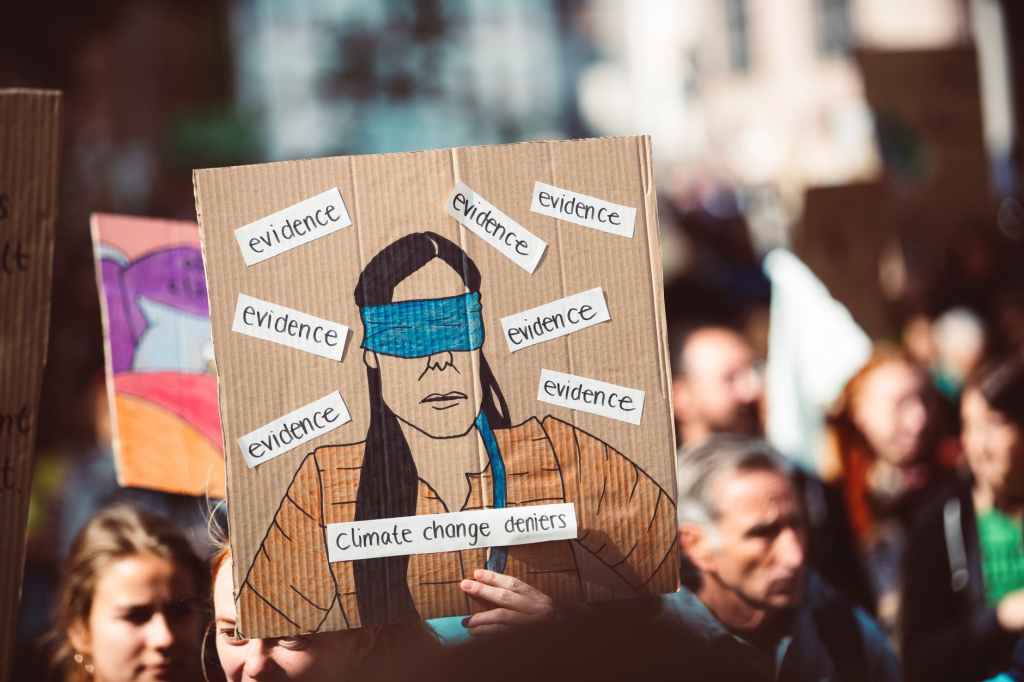
Do you believe climate change is real? Please give a reason for your answer.
One person out of 85 said they did not believe in climate change but they did not give a reason. The vast majority said they did believe in climate change and some of their reasons why are:
“Plenty of scientific data to support. More extreme weather patterns, melting ice caps, crop failures, animal behaviour changing e.g. migration etc.”
“Believe maybe the wrong word – it is fact”
“The feeling of excess heat in the environment as opposed to many years ago”
“Science says so”
“Obvious scientific/record evidence. Also observable phenomena like consistent differences in weather between now and when I was a child.”
“It’s so hot dude”
“Hotter summers, colder winters, the weather is more unpredictable at times, Australia bushfires, sea temperature increasing, ice caps and glaciers melting, rising sea levels etc”
Most of the reasons given for a yes response were to do with the volume of scientific evidence available to support it, changing weather patterns and rising temperatures.
A few people said they believed in climate change but thought maybe it has been exaggerated or that humans aren’t completely responsible. Some of their responses are:
“Maybe it’s true, but there are so many related benefits, so they may exaggerate that to a great extent”
“Yes but I don’t think I believe it to the same level of certainty other people do. Yes there is more CO2, yes maybe average temperatures are creeping up and maybe this will do a lot of harm. but the jump from more CO2 to the end of the world I think is a leap we are not certain of and is probably quite low probability.”
“However, not convinced it is fundamentally caused solely by human activity, accelerated yes.”
What do you do in an attempt to reduce your carbon footprint? Recycling, walking/cycling, public transport, changed diet, reuse, none or other.
Have you ever not had electricity at home?
Have you ever had to go hungry to pay for other amenities? E.g. rent or bills
Did you know chemistry can help to solve some of the problems discussed in the previous questions?
SDG 16 is to “promote peaceful and inclusive societies for sustainable development, provide access to justice for all and build effective, accountable and inclusive institutions at all levels.”
Did you know…
Millions of people are still denied their rights, security and opportunities.
The number of intentional homicides per 100,000 people was 6.1 in 2017. There was an increase in the homicide rates in Latin America, the Caribbean and some sub-Saharan African countries.
Recent data from 83 countries, largely developing regions, reported that almost 8 in 10 children from age 1-14 were exposed to a form of psychological aggression and/or physical punishment at home. In all of these countries, apart from seven of them, around half of children had faced methods of discipline that were violent.
Targets
“Promote the rule of law… and ensure equal access to justice for all.”
“Substantially reduce corruption and bribery in all their forms.”
“Develop effective, accountable and transparent institutions at all levels.”
“Ensure responsive, inclusive, participatory and representative decision-making at all levels.”
“Promote and enforce non-discriminatory laws and policies for sustainable development.”
How chemistry can help
The chemical sector can make sure that all business transactions are ethical and form partnerships that reduce corruption at all levels. They can implement business practices that are fair and conduct business responsibly, avoiding bribery and corruption.
Forensic science involves a lot of chemistry knowledge and practices. These procedures need to be carried out efficiently and without error to ensure the result achieved is accurate and provide adequate justice to those affected. Advancements in technology and testing are being made constantly to improve these services.
As the chemical industry employs so many people (see SDG 8: Decent Work and Economic Growth), more of the population can become more financially stable (see SDG 1: No Poverty), and be able to pay for an education for their children (see SDG 4: Quality Education). As a result of this, they can break the habits of psychological aggression or physical punishment which is predominantly seen in the least developed countries.
SDG 13 is to “take urgent action to combat climate change and its impacts.”
Did you know…
In 1998-2017, the economic losses from natural disasters were estimated to be almost $3 trillion USD and the estimated lives that were lost are 1.3 million.
In April 2019, 185 parties had signed the Paris Agreement where they are expected to maintain, communicate, and prepare national contributions to mitigate climate change.
In a world where the population is increasing, the greenhouse gas emissions are rising at such rates that the reverse of climate change does not seem to be ending any time soon.
Even though positive steps have been made in terms of climate finance flows (money allocated for climate emergencies), more countries need to take part and more drastic steps must be made by national governments to accelerate action for the climate crisis.
Financial access and strengthened capacities need to be scaled up at a faster rate especially in countries, islands, and developing states most in need. Drastic actions must be taken as climate change is causing temperature rising and thus ice melting. This leads to: the sea levels rising, natural habitat loss, climate immigration and extinction of plant and animal species. Natural disasters such as severe storms are also becoming more frequent and extreme because of climate change.
Targets
“Integrate climate change measures into national policies, strategies and planning.”
“Improve education, awareness-raising and human and institutional capacity on climate change mitigation, adaptation, impact reduction and early warning.”
“Promote mechanisms for raising capacity for effective climate change-related planning and management in least developed countries and small island developing States, including focusing on women, youth and local and marginalized communities.”
How Chemistry Can Help
Chemistry is a key industry for fighting climate change. Key contributions include improvements in materials for renewable energy (e.g. wind, solar), creating materials that reduce energy consumption, and making electronics with chemicals less harmful to the environment. One example of this are the new battery technologies that allow them to be more efficient, affordable and scalable (see SDG 7: Affordable and Clean Energy, SDG 9: Industry, Innovation and Infrastructure, SDG 11: Sustainable Cities and Communities).
Chemical innovations are used to improve energy generation, recovery and use of alternative fuels that together will contribute to a low-carbon society.
An example of this is the Low Carbon Technology Partnership initiative (LCTPi). It’s a programme that aims to accelerate the development and deployment of low-carbon technology solutions so the global temperature does not rise by more than 2 °C. For this to occur, chemical companies have to come together to explore different pathways to deliver low-carbon and sustainable solutions.
High performance products such as coatings, adhesives and foams, are using innovative chemistry techniques where carbon dioxide and carbon monoxide are being captured and used as raw materials.
SDG 12 is to “ensure sustainable consumption and production patterns.”
Did you know…
As the population continues to grow, the demand for natural resources, such as water and coal, also increases. It is incredibly important that resources are not strained and that environmental resources are conserved.
The consumption of materials globally reached 92.1 billion tons in 2017 and if unchecked it is thought that the extraction of natural resources could reach 190 billion tons by 2060.
People’s needs for resources have grown a great deal over the past few decades. In 1990, the resources extracted for one person’s consumption amounted to 8.1 tons. However in 2015 this number rose to nearly 12 tons per person.
Targets
“By 2030, achieve the sustainable management and efficient use of natural resources.”
“By 2030, halve per capita global food waste at the retail and consumer levels and reduce food losses along production and supply chains, including post-harvest losses.”
“By 2020, achieve the environmentally sound management of chemicals and all wastes… significantly reduce their release to air, water and soil in order to minimize their adverse impacts on human health and the environment.”
“By 2030, substantially reduce waste generation through prevention, reduction, recycling and reuse.”
“Encourage companies… to adopt sustainable practices and to integrate sustainability information into their reporting cycle.”
How chemistry can help
Chemical companies create many products for different uses. They have improved their efforts to use water that is environmentally sustainable and to reduce food waste or loss. They are also working to improve food packaging and additives. They are implementing more sustainable handling of materials in order to prevent harmful waste being released into the environment. Better waste management systems are needed which the chemical industry can also design and operate.
Chemistry can help develop products that can be more easily recycled or reused. An example of a company making an effort to be more sustainable is BP. Due to an increase in concern about climate change, they have had to look at new ways of reducing their carbon footprint and other possible ways of sourcing energy. They have started using recycled cooking oil in their jet fuel, this reduces emissions by 60%. It doesn’t eradicate carbon emissions completely but it greatly decreases them and is a start in the production of more sustainable products, therefore helping to combat climate change (see SDG 13: Climate Action).
SDG 11 is to “make cities and human settlements inclusive, safe, resilient and sustainable.”
Did you know…
Approximately 1 billion people live in slums. They have poor air quality and a lack of transport. Over half of these people live in east, south-east, central and south Asia.
Approximately 3 billion people do not have access to controlled waste disposal facilities.
In 2016, 9 out of 10 people living in urban areas breathe air that did not meet the World Health Organisation’s air quality guideline values for particulate matter.
Many cities do not provide adequate access to public open spaces for its population. These spaces should be within 400 m walking distance from their home. In 2018, 220 cities in 77 countries were studied and only 21% of the population had adequate access to these open public spaces.
Targets
“By 2030, ensure access for all to adequate, safe and affordable housing and basic services and upgrade slums.”
“Strengthen efforts to protect and safeguard the world’s cultural and natural heritage.”
“By 2030, reduce the adverse per capita environmental impact of cities, including by paying special attention to air quality and municipal and other waste management.”
“By 2030, provide universal access to safe, inclusive and accessible, green and public spaces, in particular for women and children, older persons and persons with disabilities.”
“Support least developed countries, including through financial and technical assistance, in building sustainable and resilient buildings utilizing local materials.”
How Chemistry Can Help
Products from the chemical industry are used in creating new buildings, new transport infrastructure and in improving these facilities. These products must be of high quality and standard. Populations continue to grow therefore urban communities need to be able to rely on sustainable and scalable solutions. The chemistry industry is helping cities be more sustainable while improving living conditions.
By 2050, at least two-thirds of the world’s population will live in cities. More people living in cities means more public space and more homes will be needed. The chemical sector can play a huge role in this development by providing sustainable and readily available materials needed for large scale building projects.
Chemistry can also help by using environmentally friendly technology in cars. More people living in cities means more people travelling and more cars. Car emissions contribute to greenhouse gas emissions and particulate matter within the air which is bad for human health. Electric vehicles do not produce direct emissions as they do not burn fuel, they use electricity from chargeable batteries. Therefore, the use of electric vehicles within cities can reduce emissions and hence improve air quality.
The top 1% of earners are still receiving an increase in income.
While 70% of the membership of the General Assembly and World Trade Organisation is made up of developing countries, their voting share in other organisations is very low. Developing countries make up 75% of the World Bank’s membership but only have 40 percent of the voting rights within it.
However, there has been progress made as in more than half of the 90 countries that have comparable data, the bottom 40% of the population had an income growth rate higher than the overall national average.
Targets
“By 2030, progressively achieve and sustain income growth of the bottom 40 percent of the population at a rate higher than the national average.”
“By 2030, empower and promote the social, economic and political inclusion of all, irrespective of age, sex, disability, race, ethnicity, origin religion or economic or other status.”
“Adopt policies, especially fiscal, wage and social protection policies, and progressively achieve greater equality.”
“Ensure enhanced representation and voice for developing countries… to deliver more effective, credible, accountable and legitimate institutions.”
How Chemistry Can Help
Worldwide the chemical industry is worth approximately $5.7 trillion (USD). It employs upwards of 20 million people either directly or indirectly.
The companies which make up these work forces can create and implement rules and regulations to promote equality.
Ensuring fair wage, safety and ethical standards and social protections are just some policies companies use to reduce inequalities.
In developing countries where the chemical industry is present, those companies can promote equality in the workplace. They can also invest in other developing countries which would provide opportunities and jobs.
Global pharmaceutical company, GlaxoSmithKline (GSK), employs nearly 100,000 people in 95 different countries. In 2019, they put £4.6 billion into research and development projects. They mainly focus on pharmaceuticals, vaccines and consumer healthcare. They work in countries all over the world, in North and South America, Africa, Europe and Asia. This type of investment creates many jobs (see SDG 8: Decent Work and Economic Growth) and can have greatly beneficial outcomes (see SDG 3: Good Health and Wellbeing).
GSK also have inclusion and diversity councils which were created to ensure the increase of representation of several groups. Some groups they are focusing on are: women, LGBT+ and people with disabilities. The aim is to increase representation across the entire workforce at GSK (see SDG 5: Gender Equality).
SDG 9 is to “build resilient infrastructure, promote inclusive and sustainable industrialization and foster innovation.”
Did you know…
In some of the least developed countries of the world there is difficulty in increasing the manufacturing industry share of gross domestic product by 2030. This could be due to a lack of infrastructure and investment.
Their funding for innovation and scientific research is also below the global average. In developing and developed regions, global manufacturing decreased in 2018. This is thought to be due to restrictions on trade and tariffs put in place which slowed investments.
In 2008 the global share of the gross domestic product from manufacturing increased to 15.9% and had a small increase to 16.5% in 2015. In 2018 it was still at the same level.
The percentage of total employment arising from manufacturing in 2015 was 14.7%. This fell to 14.2% in 2018. This was due to countries moving production from industries such as agriculture towards higher value manufacturing services. From 2000 to 2016 the global carbon dioxide emissions from manufacturing decreased by more than 20%.
Targets
“By 2030, upgrade infrastructure and retrofit industries to make them sustainable, with increased resource-use efficiency and greater adoption of clean and environmentally sound technologies and industrial processes, with all countries taking action in accordance with their respective capabilities.”
“Enhance scientific research, upgrade the technological capabilities of industrial sectors in all countries… by 2030, encouraging innovation and substantially increasing the number of research and development workers…”
How chemistry can help
Over 20 million people worldwide are employed in some way by the chemical industry. The chemical sector is key to providing solutions that can help reduce the emissions of carbon dioxide and other greenhouse gases by 2030 (see SDG 13: Climate Action).
Chemistry is used to make many products and is involved in many different industries. These products include drugs or vaccines which can be used to improve human health (see SDG 3: Good Health and Wellbeing) or water treatment agents which can be used to process water to make it safer (see SDG 6: Clean Water and Sanitation). Another product is fertilisers or pesticides to be used by farmers which can improve the yield of their crops (see SDG 2: Zero Hunger).
The chemical sector is looking at more efficient use of resources and better environmental management. This also involves reducing the costs of waste disposal, any raw materials and the possibility of earning more money from by-products (see SDG 12: Responsible Consumption and Production).

















 Chemistry and the UN Sustainable Development Goals